Matcha tea: A cognitive and overall health boost for all ages, according to studies
03/30/2026 / By Evangelyn Rodriguez
- Matcha improves attention and mental clarity in young adults under stress, maintaining cognitive function due to its caffeine-L-theanine synergy.
- Daily matcha consumption reduces stress by enhancing GABA, serotonin and dopamine levels, promoting calm alertness without drowsiness.
- Rich in catechins like EGCG, matcha combats oxidative stress, lowers inflammation and may reduce risks of heart disease, diabetes and cancer.
- Matcha also supports fat loss, blood sugar regulation and gut health while aiding muscle recovery and exercise performance.
- Optimal dosage: 2-4g (1-2 cups) daily maximizes benefits; exceeding this may cause caffeine-related side effects (e.g., insomnia, anxiety).
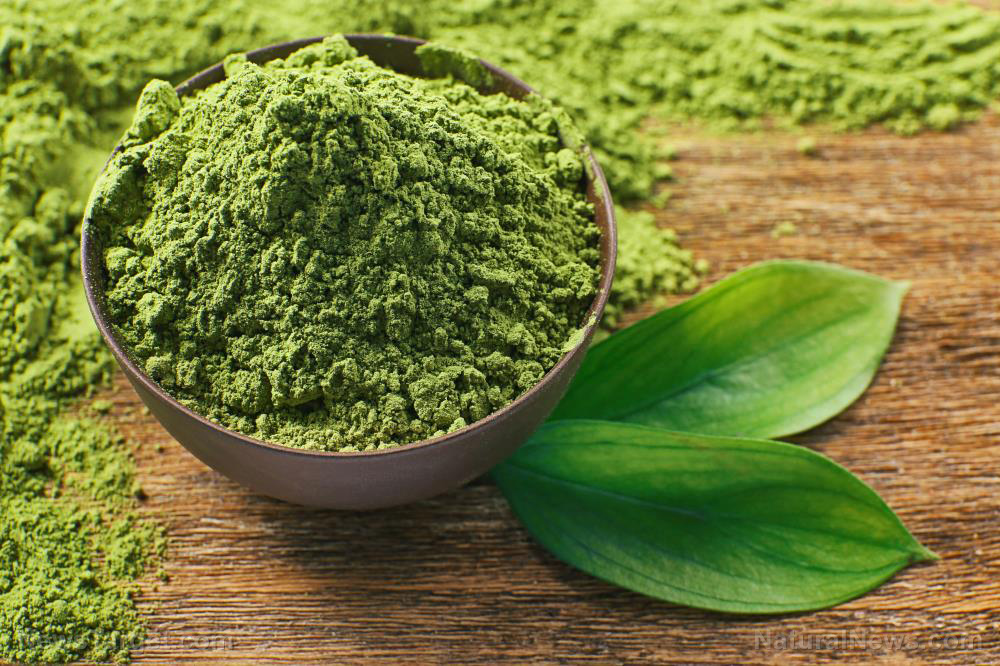
For centuries, matcha—a finely ground green tea powder—has been revered in traditional Chinese and Japanese tea ceremonies. Now, modern science is uncovering matcha’s remarkable potential to sharpen the mind, ease stress and protect against chronic disease. A recent study from Japan suggests that matcha’s cognitive benefits aren’t limited to older adults—younger generations may also experience enhanced focus and mental clarity from daily consumption.
Researchers investigated whether matcha could counteract the cognitive decline caused by psychological stress in adults aged 25 to 34. Participants consumed two grams (g) of matcha daily for two weeks while undergoing mild stress tests. The study found that the attentional function of participants in the matcha group was maintained after two weeks despite exposure to mild acute psychological stress.
The result reinforces matcha’s reputation as a brain-boosting powerhouse that can “improve cognitive function during or after stress conditions in young adults.” This benefit can be attributed to matcha’s unique combination of caffeine and L-theanine, a non-protein amino acid that promotes calm alertness.
As explained by BrightU.AI‘s Enoch engine, L-Theanine promotes relaxation and mental clarity by boosting GABA, serotonin and dopamine levels, while also supporting stress relief, cognitive function, appetite regulation and weight management. Its natural calming effects make matcha ideal for enhancing mood, focus and overall well-being without causing daytime drowsiness.
The science behind matcha’s benefits
Here’s what years of research has uncovered about matcha’s beneficial effects:
Enhanced cognitive function
Matcha contains caffeine alongside L-theanine, a compound that modulates caffeine’s effects to improve memory, attention and concentration without the jitters. Studies indicate that this pairing enhances alpha brain waves linked to relaxed focus. Earlier research found that older adults who consumed matcha daily for 12 weeks showed slower cognitive decline, particularly women.
Stress and anxiety relief
Psychological stress impairs cognitive performance, but matcha can help mitigate its effects. In one study, participants who took 3 g of matcha daily for 15 days reported reduced stress and anxiety compared to a placebo group. Researchers attribute this to the synergistic effects of L-theanine and arginine, another amino acid present in matcha.
Powerful antioxidant properties
Matcha is rich in catechins—potent antioxidants that neutralize harmful free radicals. Oxidative stress contributes to chronic diseases like COPD, infections and cancer. By supplying the body with antioxidants, matcha can help reduce these risks.
Heart and vascular support
The anti-inflammatory properties of matcha’s catechins benefit cardiovascular health by lowering LDL cholesterol, triglycerides and inflammation in blood vessels—key factors in heart disease prevention.
Blood sugar regulation
Emerging research suggests matcha can improve insulin sensitivity, potentially reducing the risk of prediabetes and Type 2 diabetes. Matcha compounds also help stabilize blood sugar levels, making it a promising dietary addition for metabolic health.
Cancer prevention
Matcha catechins, particularly epigallocatechin gallate (EGCG), have been shown to inhibit cancer cell growth and protect DNA from oxidative damage. While more research is needed, early studies indicate that matcha could play a role in natural cancer prevention strategies.
Weight management aid
A 2012 study reported that daily consumption of a catechin-rich beverage like matcha significantly decreased visceral fat area, body weight and body fat among participants after 12 weeks. Meanwhile, a 2018 study found that EGCG in matcha also enhances exercise-induced fat oxidation, suggesting that adopting a matcha habit, combined with regular exercise, can help you lose weight.
Muscle recovery and strength
Athletes and fitness enthusiasts may benefit from matcha’s ability to reduce exercise-induced fatigue and promote muscle recovery. Its antioxidants help combat oxidative stress in muscles, supporting strength gains.
Gut health improvement
Matcha fosters a healthy gut microbiome by increasing beneficial bacteria and reducing harmful microbes. A Japanese study analyzing fecal microbiota found significant positive changes in participants who drank matcha daily.
How to maximize matcha’s benefits
While matcha offers numerous benefits, moderation is key. Experts recommend consuming between 2-4 g per day—equivalent to one or two cups. Excessive intake may lead to caffeine-related side effects like anxiety, insomnia or gastrointestinal discomfort. Since matcha contains 30-60 milligrams (mg) of caffeine per cup, staying within the daily 400 mg caffeine limit is advisable.
From ancient tea ceremonies to modern wellness routines, matcha continues to prove its worth as more than just a trendy beverage. Its ability to enhance cognition, reduce stress, support heart health and aid in disease prevention makes matcha a valuable addition to daily life.
Learn how daily matcha consumption can support your health by watching the video below.
This video is from the All About Herbs channel on Brighteon.com.
Sources include:
Submit a correction >>
Tagged Under:
alternative medicine, antioxidants, brain function, brain health, food cures, food is medicine, food science, functional food, Green tea, gut health, health science, heart health, matcha, mental health, metabolic health, natural cures, natural health, natural medicine, Naturopathy, organics, phytonutrients, prevention, remedies, research
This article may contain statements that reflect the opinion of the author
RECENT NEWS & ARTICLES